
Chips, Bytes, and Resilience: The State of CNC Machining in 2026
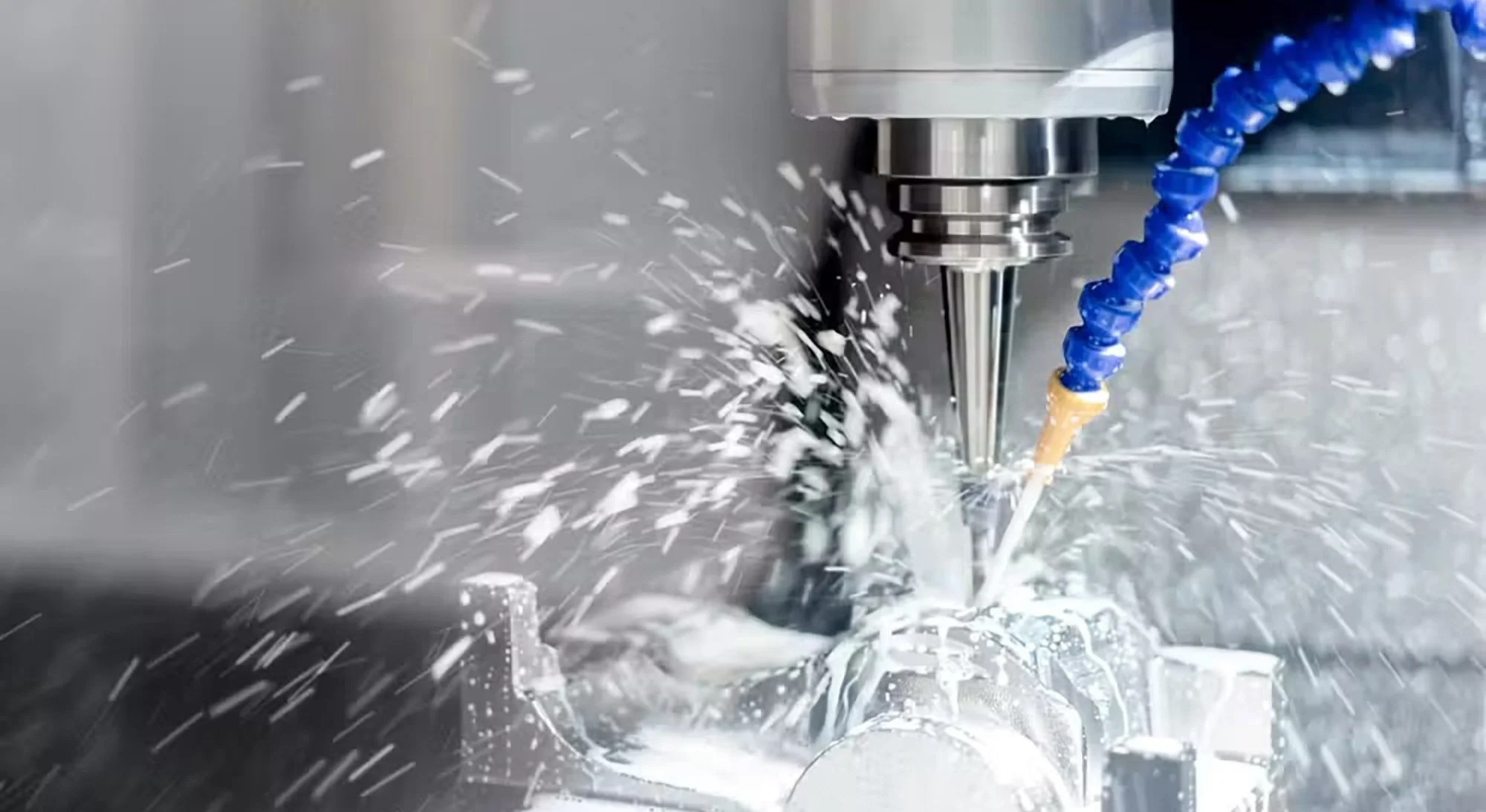
CNC machining in 2026 is no longer just a physical trade; it is officially a digital discipline. The line separating software programming from the physical shop floor has completely blurred. Driven by ongoing skilled labor shortages, unpredictable global tariffs, and an intense push toward reshoring, forward-thinking machine shops are transforming every single spindle cycle into a data event.
If your shop wants to protect its profit margins this year, these five defining trends shaping the precision manufacturing industry demand your attention.
1. AI-Native Machining Moves From Pilot to Production
For years, artificial intelligence on the factory floor was limited to basic monitoring dashboards and predictive maintenance alerts. In 2026, AI is directly running the machine.
Adaptive Correction: Modern AI-driven controllers utilize real-time sensor feedback to dynamically alter speeds, feeds, and toolpaths mid-cycle.
Deflecting Drift: Built-in algorithms identify and counter internal vibration, tool wear, and thermal expansion before a human operator even notices a deviation.
The Machinist's Evolution: The standard operator role has pivoted from machine-watching to data interpretation, focusing heavily on algorithm tuning and process reliability.
2. Digital Twins Form the Operational Backbone
The days of running a risky test piece on an expensive machine tool are gone. According to recent insights on 3DS DELMIA's Manufacturing Blog, 2026 digital twins function as fully integrated ecosystems linking design, tooling, kinematics, and post-machining inspection.
Zero-Error Setups: Clash detection, virtual commissioning, and kinematic validation occur entirely within software long before the first chip is cut.
Mixed-Reality Collaboration: Shops pair live digital twins with AR/VR headsets. This permits remote specialists to troubleshoot complex fixtures or assist entry-level operators on-site.
Continuous Feedback: Physical execution data streams straight back into the simulation model, improving accuracy for future production cycles.
3. Smart Workholding Replaces Reactive Downtime
Workholding has quietly evolved into one of the most tech-dense areas of the machine shop floor. The reactive maintenance approach of fixing a broken chuck mid-job is completely obsolete.
Predictive Chuck Systems: Sensor-embedded hydraulic and pneumatic chucks monitor clamping forces continuously. They alert the scheduling team precisely when master jaws show signs of structural fatigue.
High-Mix, Low-Volume Agility: Quick-change jaw systems allow operators to swap components in seconds rather than minutes. This eliminates costly setup times for custom prototype work.
Deformation Prevention: Clamping pressures automatically self-adjust on the fly, preventing structural damage to delicate, thin-walled aerospace or medical parts.
4. Hybrid Manufacturing Gains Real Commercial Traction
The historic rivalry between additive manufacturing (3D printing) and subtractive CNC machining has officially ended. Hybrid platforms that combine both tasks into a single machine envelope are seeing extensive growth.
Single-Setup Workflows: Heavy components are built up with metal deposition and immediately precision-milled in the same machine enclosure.
Target Sectors: Industry demand for lightweight, low-waste components has made hybrid workflows highly profitable for aerospace, energy, and medical contract manufacturing.
Material Breakthroughs: Machinists are leveraging advanced carbide cutting inserts featuring multi-layered nano-composite coatings (such as TiAlSiN) to survive the jagged surfaces and heat-affected zones of 3D-printed alloys.
5. Sustainability is Now a Measurable KPI
Green manufacturing has shifted from an ethical marketing statement into a hard contract requirement. Original Equipment Manufacturers (OEMs) now require carbon-footprint data right alongside dimensional inspection reports.
The Economics of Efficiency: Sustainable practices directly reduce material waste and utility costs.
Resource Optimization: Shops minimize environmental impact via widespread adoption of Minimum Quantity Lubrication (MQL), advanced coolant recycling loops, and dry-cutting paths.
Hardware Redesign: Newer machine tool castings are optimized for significantly lower idle power draw, minimizing structural energy drains during non-cutting hours.
The New Bottom Line for Machine Shops
Surviving the manufacturing landscape requires strict quoting discipline and immediate automation integration. The shops making a healthy profit are those refusing to underprice their machine time. Instead, they invest heavily in automated pallet changers, robot-tended mill-turn cells, and data-driven training platforms to deliver high-quality parts faster than ever before.
For more information on our CNC machining capabilities contact us here.